
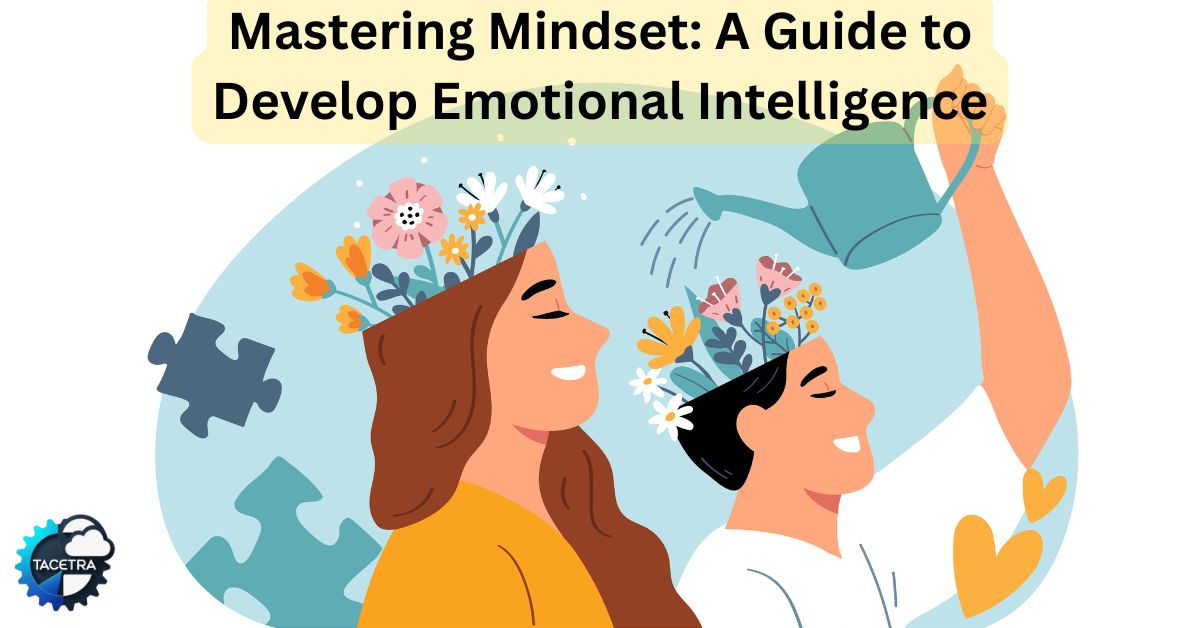
Emotional Intelligence (EI) is a term that has transitioned from corporate buzzword to a fundamental pillar of modern well-being. But what does it actually mean to be emotionally intelligent? At its core, EI is the capacity to recognize, understand, manage, and reason with emotions—both our own and those of the people around us.
While traditional intelligence (IQ) measures cognitive capacity and logical problem-solving, emotional intelligence dictates how we apply that intellect under pressure. Introduced to the masses by psychologist Daniel Goleman, EI encompasses a specific set of psychological competencies that dictate how we navigate the complexities of human behavior. For those looking to dive deeper into the foundational science of this concept, Daniel Goleman’s breakdown of Emotional Intelligence offers an excellent starting point.
The importance of this skill set cannot be overstated. In an increasingly digital world, the ability to read a room, de-escalate tension, and build authentic connections is a distinct competitive advantage. Research consistently reveals that individuals with highly developed EI experience better mental health, superior job performance, and more resilient leadership capabilities. They do not merely survive stress; they decode it. Fortunately, emotional intelligence is not a fixed genetic trait. It is a malleable set of skills that you can consciously cultivate at any stage of life.
The Core Elements of Emotional Intelligence
To effectively develop emotional intelligence, we must first understand the architecture that supports it. Psychologist Daniel Goleman categorized EI into four distinct domains: self-awareness, self-regulation, social awareness, and relationship management. These components operate like gears in a machine; when one turns, it naturally influences the others.
Self-awareness acts as the bedrock. It involves an uncompromising, honest appraisal of your emotional triggers, strengths, limitations, and core values. Without knowing what you are feeling, it is impossible to alter how you react. This leads directly to self-regulation, which is the mechanism of emotional control. It is the pause between a negative stimulus and your response—the difference between screaming in traffic or simply taking a deep breath.
Moving outward, social awareness expands your focus to the room around you. This is where empathy lives. It is the ability to pick up on subtle non-verbal cues and understand the emotional undercurrents of an environment. Finally, relationship management synthesizes these internal and external insights. It is the practical application of your emotional data, allowing you to inspire teams, influence outcomes, and navigate friction with grace.
Strategy 1: Cultivating Deep Self-Reflection
The journey toward high emotional intelligence begins entirely inward. Cultivating self-awareness requires moving beyond superficial emotional labels like “good” or “bad” and identifying the precise root of your internal state.
A highly effective practice for building this foundation is consistent, unfiltered self-reflection. Journaling serves as an objective record of your psychological patterns. When you write down your reactions to daily stressors, you begin to notice recurring themes. You might realize that criticism from a supervisor triggers a defensive mechanism rooted in old academic anxieties, or that exhaustion manifests as impatience with your peers.
Mindfulness meditation is another scientifically backed tool that enhances this internal clarity. By practicing mindfulness, you learn to observe your thoughts and visceral reactions without judgment. Instead of becoming consumed by anger, you learn to say, “I am currently experiencing the sensation of anger,” creating a vital psychological buffer.
Beyond solitary practices, we must acknowledge our inherent blind spots. Seeking candid feedback from trusted mentors, colleagues, or loved ones provides an external mirror to our behavior. The key is to receive this feedback as data rather than an attack. When you actively listen to how your communication style impacts others, you bridge the gap between how you intend to project yourself and how you are actually received.
Strategy 2: Shifting from Reaction to Response
Recognizing an emotion is only half the battle; the true test of emotional intelligence is how you manage it. Emotional regulation is not about suppressing your feelings or wearing a mask of toxic positivity. Rather, it is about directing your emotional energy into constructive behavior.
One of the most potent cognitive tools for emotional management is cognitive reappraisal. This psychological technique involves consciously reframing a challenging scenario to alter its emotional impact. For instance, if a major project proposal is rejected, your default reaction might be a mix of shame and anger. Through cognitive reappraisal, you can intentionally reframe the rejection not as a definitive failure, but as a rigorous, real-world critique that will make your next iteration undeniable.
Simultaneously, building structural resilience through healthy lifestyle habits protects your nervous system from emotional hijacking. Regular physical movement, structured sleep schedules, and dedicated downtime act as shock absorbers for daily stress. When your baseline stress is low, your capacity for patience increases. For a deeper scientific look at how emotional regulation directly impacts your psychological health, the American Psychological Association provides extensive peer-reviewed resources on stress management and behavioral health.
Strategy 3: Practicing Active Empathy
Empathy is often misunderstood as merely feeling sorry for someone. In the context of emotional intelligence, empathy is an active, intellectual, and emotional endeavor. It requires you to temporarily step outside your own worldview and sit within the reality of another person’s experience.
The most practical vehicle for empathy is active listening. Most people do not listen to understand; they listen to reply. They are merely waiting for the other person to stop speaking so they can insert their own monologue. Active listening requires you to silence your internal narrator. Focus entirely on the speaker’s vocal tone, pacing, and physical postureWhen they finish speaking, validate their experience before offering a solution. Phrases as simple as, “It sounds like you felt incredibly unsupported during that meeting,” can instantly lower defenses and foster psychological safety. To understand the profound impact that empathy and vulnerability have on human connection, researcher Brené Brown’s extensive work on Empathy and Connection offers invaluable, transformative insights.
Strategy 4: Mastering the Nuances of Communication
Clear, emotionally intelligent communication is the bridge that connects disparate minds. It ensures that your intentions match your impact. When communication breaks down, it is rarely due to a lack of vocabulary; it is usually due to an emotional misalignment.
To communicate with high EI, one must master the balance of assertiveness and respect. Assertiveness is frequently confused with aggression, yet they are opposites. Aggression seeks to dominate; assertiveness seeks to clarify. By utilizing “I” statements—such as “I feel overwhelmed when timelines change without notice” rather than “You always ruin the schedule”—you express your needs clearly without backing the listener into a defensive corner.
Furthermore, we must remain hyper-aware of our non-verbal vocabulary. Human beings are evolutionary hardwired to trust visual and tonal cues over spoken words. If you tell a team member that you are open to their ideas while crossing your arms, checking your phone, and sighing, your physical behavior completely invalidates your words. Aligning your body language with your message builds immediate trust and psychological comfort.
Strategy 5: Navigating Conflict with Collaboration
Conflict is an unavoidable reality of human interaction. However, emotionally intelligent individuals do not view conflict as a zero-sum game where one person must lose for the other to win. Instead, they view friction as a symptom of an underlying problem that requires collaborative surgery.
The first rule of emotionally intelligent conflict resolution is to separate the person from the problem. When arguments become personalized, egos take over, and resolution becomes impossible. Shift the focus entirely to the objective behavior or systemic issue at hand. Instead of labeling a colleague as “lazy,” address the specific missed deadlines and explore the operational bottlenecks causing them.
Look aggressively for common ground. Even in deep disagreements, there is almost always a shared objective. In a corporate setting, both parties usually want the project to succeed. In a personal relationship, both partners usually want to feel respected. By anchoring the conversation to these shared goals, you transform a confrontational standoff into a side-by-side brainstorming session. For those looking to refine their professional negotiation and dispute resolution styles, the Harvard Negotiation Project provides world-class, research-driven frameworks for handling high-stakes interpersonal friction cleanly.
Bringing Emotional Intelligence into the Everyday
Mastering emotional intelligence is not a milestone you reach; it is a continuous, daily practice. It is a commitment to self-education that requires patience with your own missteps. There will be days when stress gets the better of you, or when your empathy falters. The hallmark of a highly emotionally intelligent person is not perfection, but the willingness to repair connection when a rupture occurs.
By incrementally integrating these strategies into your daily routine—taking an extra breath before responding to an email, listening to understand rather than to counter, and routinely assessing your internal weather—you fundamentally alter how you experience the world. Ultimately, upgrading your emotional intelligence doesn’t just make you more successful; it makes your relationships deeper, your stress manageable, and your life profoundly more meaningful.
Further Reading: Why Most Side Hustles Fail (And How to Make Yours Succeed)
Discover more from TACETRA
Subscribe to get the latest posts sent to your email.
