
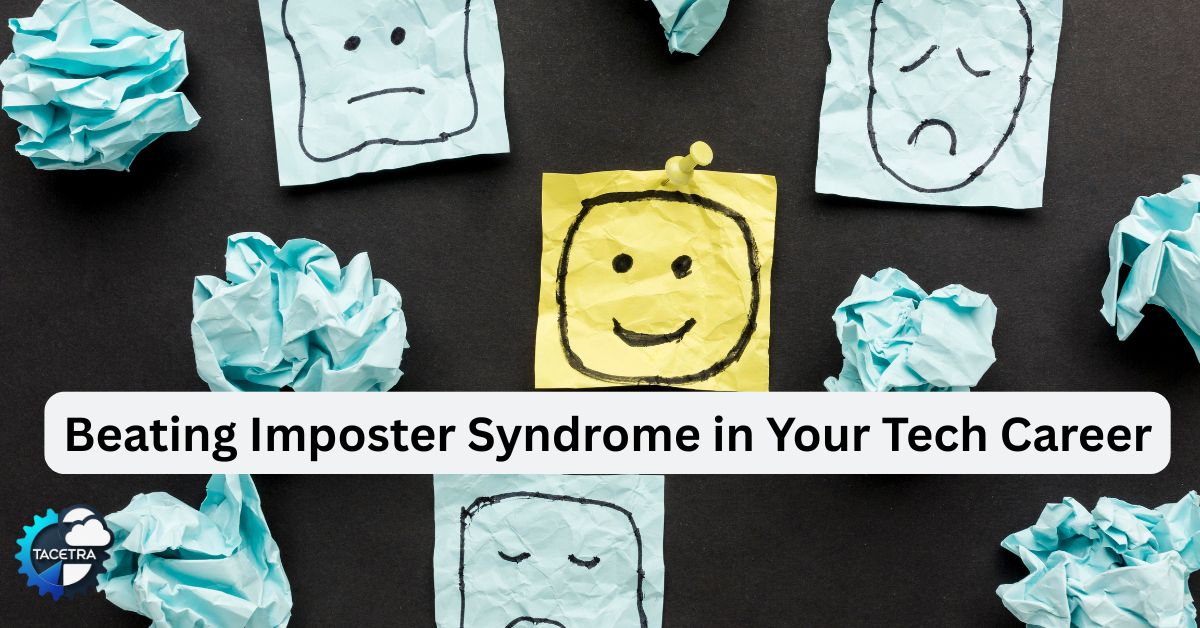
In tech, where tools change overnight and expectations move just as fast, it’s common to quietly wonder, “What if they figure out I don’t belong here?” That feeling has a name: imposter syndrome. It shows up in junior developers and staff engineers alike, founders and data scientists, people shipping real value who still feel like they’re one bad sprint away from being “found out.”
Research suggests imposter feelings are widespread across professions. A widely cited review in the International Journal of Behavioral Science found that up to 70% of people experience imposter feelings at some point in their lives. While this statistic isn’t specific to tech, the industry’s pace, visibility, and comparison culture make the experience louder and more persistent.
Understanding Imposter Syndrome
The term “imposter phenomenon” was introduced in 1978 by psychologists Pauline Clance and Suzanne Imes. They described a pattern where capable, high-achieving people discount their competence and attribute success to luck or timing. The American Psychological Association explains how this shows up in modern workplaces and why it’s so common among high performers.
Common symptoms of imposter syndrome include:
- An intense fear of being exposed as a fraud.
- Discounting personal achievements, such as attributing success to external factors like luck (e.g., “I just got lucky”).
- Overworking to demonstrate one’s worth, which frequently results in burnout.
In tech, this looks like a developer who downplays a promotion as “team luck,” or a founder who treats a successful raise as good timing rather than skill. It’s not low self-esteem so much as chronic doubt paired with high standards. Psychologist Valerie Young, author of The Secret Thoughts of Successful Women, notes that people who care deeply about doing well are often the most vulnerable to this pattern.
Why Tech Makes It Worse
High-pressure environments
Startups and product teams move fast, fail publicly, and expect people to learn on the fly. According to CB Insights’ analysis of failed startups, execution issues and misunderstanding customer needs are among the most common reasons companies fail. When something breaks in production or a launch underperforms, people often internalize the failure, even when the root cause is systemic.
Three prevalent pressures contribute to the exacerbation of imposter syndrome:
- Intense periods during coding sprints, such as 60-hour workweeks at leading FAANG companies, which frequently lead to heightened anxiety and sleep deprivation.
- Prominent failures with broad impact, for instance, a software deployment error that affects millions of users, thereby magnifying perceptions of personal inadequacy.
- Performance evaluations tied to stock options, in which quantitative metrics directly influence career trajectories, thereby intensifying feelings of imposture.
That pressure compounds over time. Chronic stress and burnout increase self-doubt, which makes imposter feelings louder. Research summarized by Harvard Health shows that mindfulness practices can reduce stress and improve emotional regulation when used consistently, which can help people step out of spiraling self-criticism.
Rapid skill evolution
Tech skills age quickly. The World Economic Forum has repeatedly warned that skills are becoming obsolete faster due to automation and rapid technological change, which forces professionals into constant learning mode.
When new frameworks, AI tools, and platforms appear every month, even experienced engineers can feel outdated. The problem isn’t incompetence. It’s that the goalposts keep moving.
The Comparison Trap
Spend a few minutes on LinkedIn and it can feel like everyone else is getting promoted, raising funding, or speaking at conferences. That’s selection bias. People share highlights, not the messy middle.
Platforms like GitHub make output visible, and salary transparency sites like Levels.fyi can be useful, but they also intensify comparison if you read them without context.
Psychologist Carol Dweck’s research on growth mindset at Stanford shows that tying your identity to performance outcomes makes setbacks feel personal instead of instructional. In tech, where setbacks are routine, this mindset feeds imposter syndrome.
Signs You Might Be Dealing With It
Imposter syndrome often shows up quietly. You might second-guess your code far more than necessary, avoid applying for roles you’re qualified for, or dismiss positive feedback as politeness. Research published in Frontiers in Psychology links imposter feelings with anxiety and perfectionism in high achievers.
Developers also commonly attribute success to luck. Surveys and discussions summarized by Stack Overflow show that many engineers downplay their achievements, even after passing difficult interviews or shipping complex systems.
How Imposter Syndrome Hurts Careers
Unchecked imposter syndrome shapes careers quietly. People opt out of promotions, hesitate to share ideas, and burn out trying to prove their worth. Workplace mental health research summarized by Deloitte links chronic self-doubt with higher burnout risk and lower engagement.
The cost isn’t just personal. Teams lose innovation when capable people stay silent. Companies lose future leaders when high performers hold themselves back.
What Actually Helps
Reframe the inner narrative
Cognitive behavioral techniques help separate facts from feelings. Writing down a negative belief and then listing real evidence for and against it trains your brain to rely on data instead of emotional reflexes. Reviews in Clinical Psychology Review show CBT-based approaches are effective for reducing anxiety patterns linked to imposter feelings.
This isn’t forced positivity. It’s accurate thinking.
Build honest professional mirrors
Supportive peers and mentors puncture distorted self-perception. Communities like Women Who Code exist because shared context matters. Hearing capable people admit the same doubts makes your own thoughts feel less isolating.
Career-focused communities such as r/cscareerquestions can also normalize common struggles around interviews, promotions, and career pivots when used thoughtfully.
Track wins so your brain can’t erase them
Imposter syndrome thrives on selective memory. You remember mistakes more vividly than progress. Keeping a simple record of shipped features, positive feedback, and problems you solved creates evidence you can revisit when doubt flares up. Research in the Journal of Personality and Social Psychology shows that reflecting on accomplishments improves motivation and resilience over time.
Final Thoughts: A Healthier Way to Think About Belonging in Tech
Most people in tech feel behind because the field itself is permanently unfinished. You’re not meant to feel fully “caught up.” The goal isn’t to eliminate self-doubt, but to stop letting it dictate your career choices.
If you’re learning steadily, shipping value, and contributing to your team, you already belong. Feeling unsure doesn’t make you an imposter. It means you’re working in an industry that evolves faster than confidence can keep up with.
Further Reading: What’s Actually Working in Today’s Brutal Job Market (According to People Who Got Hired)
Frequently Asked Questions
What is imposter syndrome in tech, and how does it show up at work?
Imposter syndrome in tech is a pattern of self-doubt where capable professionals feel like they don’t deserve their role or success, even when their work clearly shows otherwise. In software engineering, data science, product management, and cybersecurity, it often shows up as feeling “not technical enough,” downplaying promotions, or assuming success came from luck rather than skill. Many developers experience imposter syndrome after landing a new job, joining a high-performing team, or moving into leadership roles, especially in fast-growing tech companies where expectations feel high.
Why is imposter syndrome so common in the tech industry?
Imposter syndrome is especially common in tech because the industry changes quickly and rewards constant learning. New frameworks, AI tools, and programming languages appear all the time, which can make even experienced engineers feel behind. The culture of comparison on platforms like LinkedIn and GitHub also adds pressure, since people mostly share wins and rarely talk about failures. Women and underrepresented groups in tech may experience imposter syndrome more often due to bias, lack of representation, and unequal access to mentorship, which can reinforce feelings of not belonging.
How can I tell if I’m experiencing imposter syndrome as a developer or tech professional?
You may be dealing with imposter syndrome if you regularly feel underqualified despite positive feedback, avoid applying for promotions or new roles because you think you’re “not ready,” or overwork to prove your value. Other common signs include attributing career progress to luck, feeling anxious before code reviews or technical interviews, and dismissing your achievements as “basic.” If you notice a pattern of self-doubt that doesn’t match the reality of your performance, it’s a strong signal that imposter syndrome may be influencing your thinking.
What are practical ways to overcome imposter syndrome in tech teams?
Overcoming imposter syndrome in tech starts with making self-doubt visible instead of internal. Sharing challenges in team retrospectives or peer groups helps normalize the experience and reduces isolation. On an individual level, tracking wins such as shipped features, solved bugs, and positive feedback creates real evidence of competence. Teams can also reduce imposter syndrome by encouraging questions, documenting decisions, and avoiding cultures that reward only “rockstar” behavior. Small habits, like reframing mistakes as learning moments and asking for feedback early, make it easier to build confidence over time.
Are there real examples of people overcoming imposter syndrome in tech careers?
Yes, many successful engineers, founders, and tech leaders have spoken openly about struggling with imposter syndrome early in their careers. Developers at large companies and startup founders alike often describe feeling out of place after promotions or major career jumps, then building confidence through mentorship, therapy, or simply accumulating experience over time. The common thread in these stories isn’t that self-doubt disappears overnight, but that people learn not to let it control their decisions, such as avoiding leadership roles or challenging projects.
What are the best resources for dealing with imposter syndrome in tech?
If you want to work on imposter syndrome in tech, start with practical resources focused on mindset and skill confidence. Books like The Imposter Cure by Jessamy Hibberd and Mindset by Carol Dweck offer helpful frameworks for reframing self-doubt. Podcasts like CodeNewbie share honest stories from developers at different career stages. Online learning platforms like Coursera offer courses on mental health, communication, and career development for tech professionals. Communities such as Women Who Code and r/cscareerquestions can also provide peer support, mentorship opportunities, and real-world advice from people who have been through similar struggles.
Discover more from TACETRA
Subscribe to get the latest posts sent to your email.
